
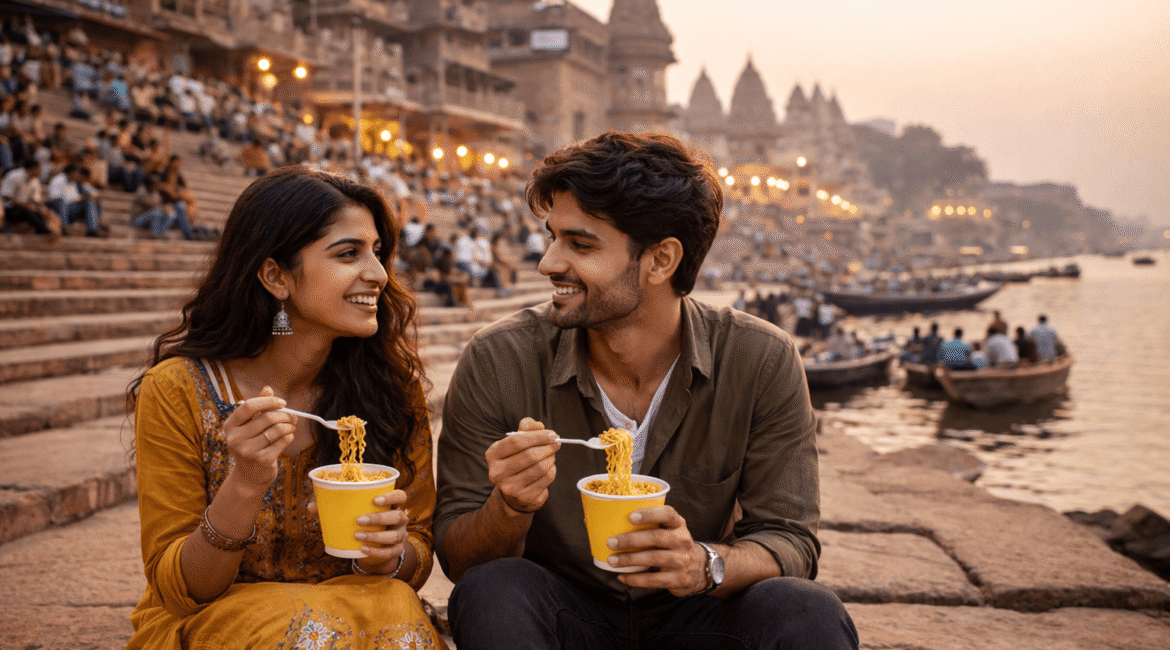
Ghats in Varanasi – A Complete Guide to the Sacred Riverfront of Kashi

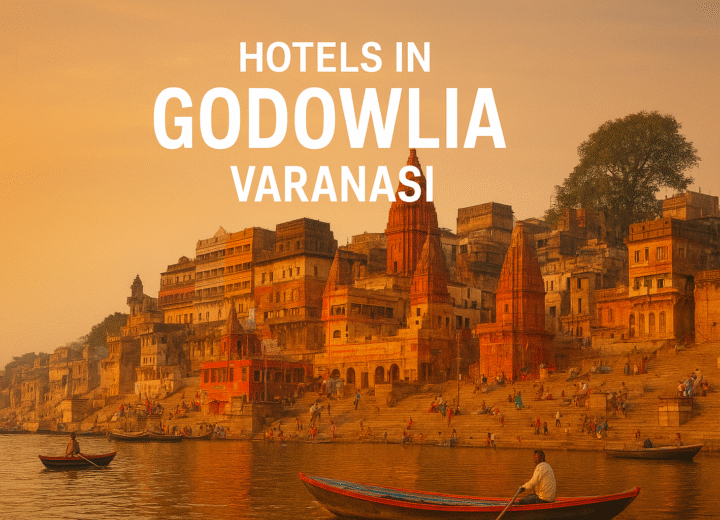
The ghats in Varanasi form one of the oldest living riverfronts in the world. Along the River Ganga, stone steps stretch endlessly, shaping the soul of Varanasi, also known as Kashi. These sacred ghats of Varanasi are not just places to visit. They are places to feel, observe, and understand life itself. From sunrise prayers to midnight cremation rites, the varanasi riverfront never sleeps.
For travelers searching for the famous ghats in Varanasi, pilgrims seeking liberation, or curious minds exploring ancient ghats of India, this guide reveals deep meaning. You will witness daily life along the ghats, sense the timeless spiritual energy, and understand why these ghats near Ganges River remain central to Hinduism and Indian culture.
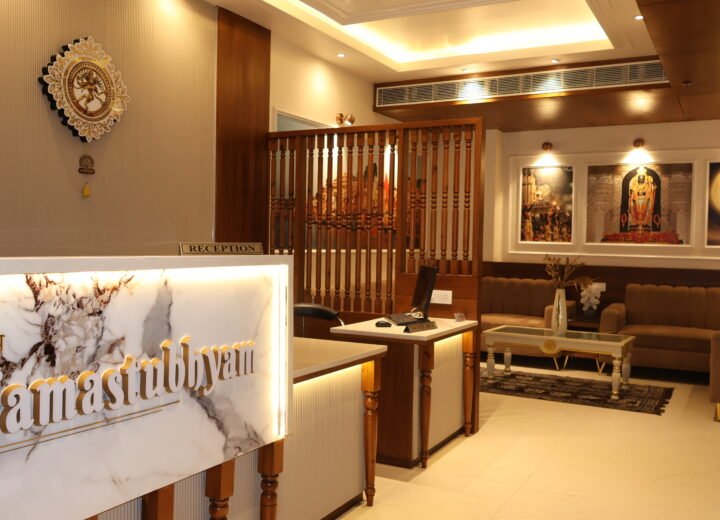
Our hotel (Shree Shivay Namastubhyam) is just 10 minutes from both major Aarti locations and closes to all ghats.

- Clean & premium rooms
- Free parking
- Family-friendly environment
- Quick access to Assi Ghat & KV Temple
View Rooms on Website
Check Reviews on Google
Why Ghats in Varanasi Are So Spiritually Important
The ghats in Varanasi hold unmatched importance because they connect physical life with spiritual belief. Hindus believe that bathing in the sacred river Ganga cleanses sins and prepares the soul for liberation. This moksha belief in Varanasi makes these steps sacred beyond imagination. Every prayer offered here carries centuries of faith and hope.
What makes the spiritual ghats in Kashi unique is the constant rhythm of devotion. You will see priests performing rituals, hear the chanting of mantras, and observe pilgrims bathing in Ganga from dawn until dusk. The spiritual atmosphere of Kashi feels alive, shaped by centuries-old traditions that continue without pause.
How Many Ghats Are There in Varanasi?
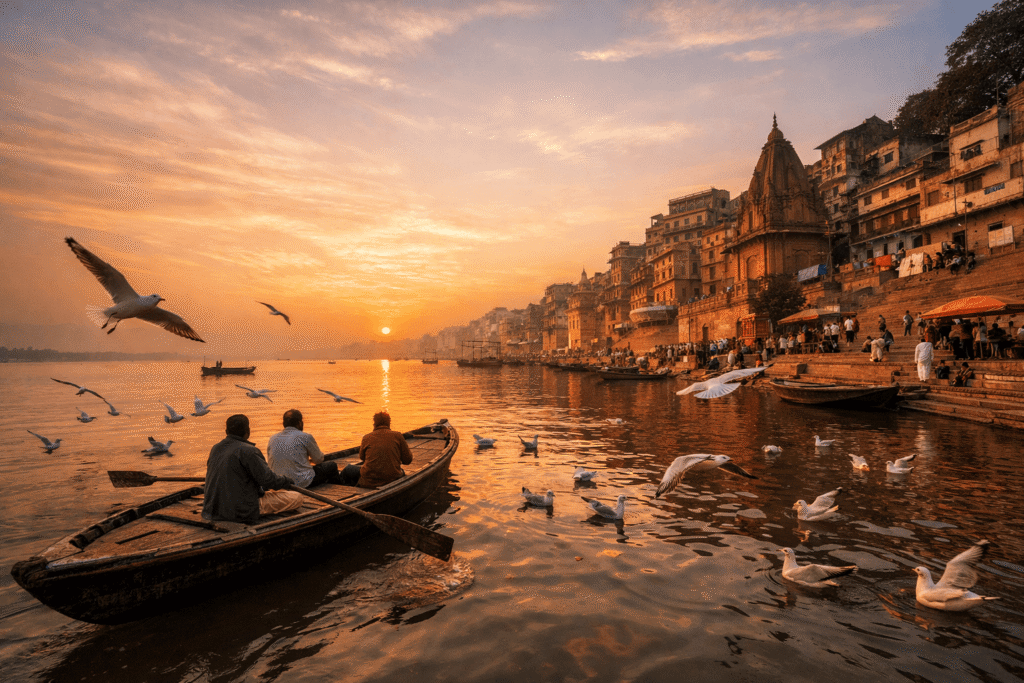
There are more than eighty ghats along the ganga ghats in Varanasi, forming a continuous stretch on the western bank of the river. Many believe there are exactly eighty-four, a number deeply symbolic in Hinduism. It represents the cycle of rebirth and the final release from suffering.
The list of ghats in Varanasi includes major ceremonial ghats, peaceful residential ghats, and active cremation ghats in Varanasi. Each ghat serves a purpose. Some focus on worship. Others support trade, learning, or farewell rituals. Together, they create the living cultural heritage of Varanasi.
Most Famous Ghats in Varanasi You Must Visit
The famous ghats in Varanasi attract pilgrims, historians, and travelers from across the world. These historic ghats of Varanasi are known for rituals, architecture, and mythological stories that date back to Ancient India. Every ghat offers a different experience.
From vibrant prayer ceremonies to silent reflection, these ghats for tourists in Varanasi reveal the city’s many layers. Some ghats celebrate life with music and lamps. Others quietly honor death as a sacred transition.
Dashashwamedh Ghat – The Heart of Ganga Aarti
Dashashwamedh Ghat stands at the center of devotion and energy. It is the most famous Varanasi aarti ghat, drawing thousands every evening. The ganga aarti experience here feels powerful. Flames rise together as bells echo across the river.
This ghat reflects the pulse of Varanasi pilgrimage places. You see devotees offering prayers, lamps floating on water, and priests moving in perfect rhythm. The moment captures the timeless spiritual energy of the city.
Assi Ghat – Sunrise, Yoga & Youthful Vibes
Assi Ghat offers calm mornings and gentle light. It is known as one of the best sunrise ghats Varanasi has to offer. Early hours bring meditation, yoga, and a peaceful boat ride at sunrise along the river.
This ghat blends tradition with modern life. Students, travelers, and seekers gather here, sharing stories while watching the sacred river Ganga glow softly under the rising sun.
Manikarnika Ghat – The Eternal Cremation Ghat
Manikarnika Ghat is one of the most sacred cremation ghats in Varanasi. Fires burn day and night, symbolizing the end of earthly life. Hindus believe dying here grants Moksha, freedom from rebirth.
The sight of burning pyres at cremation ghats can feel intense. Yet it reflects deep faith in hindu funeral rituals. Death here is not feared. It is accepted as a sacred journey.
Harishchandra Ghat – Sacred Final Rites
Harishchandra Ghat also serves as an important cremation site. It is quieter than Manikarnika but equally meaningful. Families perform last rites with dignity and devotion.
This ghat represents truth and sacrifice. The rituals here remind visitors that life and death walk together along the varanasi riverfront.
Panchganga Ghat – Where Five Rivers Meet
Panchganga Ghat holds mythological importance. It is believed five sacred rivers meet invisibly here. This belief makes it one of the most religious places in Varanasi.
Scholars, saints, and pilgrims have gathered here for centuries. The ghat reflects knowledge, meditation, and deep spiritual learning.
Kedar Ghat – Popular Among Pilgrims
Kedar Ghat is linked to Lord Shiva and Kedarnath. Pilgrims prefer this ghat for ritual bathing before temple visits. The steps remain busy throughout the day.
The environment feels devotional yet calm. Many visitors find peace while watching pilgrims bathing in Ganga quietly at dawn.
Scindia (Scindhia) Ghat – The Leaning Temple Ghat
Scindia Ghat is known for its partially submerged Shiva temple. The leaning structure tells a story of time and change. It stands as a reminder of nature’s power.
This ghat attracts photographers and history lovers. It adds architectural depth to the historic ghats of Varanasi.
Munshi Ghat – Royal Architecture & Photography Spot
Munshi Ghat reflects royal elegance. Tall structures and stone balconies overlook the river. It is popular among travelers seeking calm views.
This ghat offers one of the finest perspectives of the varanasi riverfront, especially during sunrise.
Darbhanga Ghat – Palace-Style Riverfront
Darbhanga Ghat features grand palaces built by royal families. Its design stands apart from simpler ghats nearby.
The ghat highlights the artistic side of the cultural heritage of Varanasi. It is often used for films and photography.
Chet Singh Ghat – Historic & Quiet
Chet Singh Ghat is peaceful and historic. Fort-like steps rise above the river, recalling old battles and rulers.
Visitors come here to escape crowds. Silence and reflection define this hidden gem.
Ghats in Varanasi for Ganga Aarti – Best Options
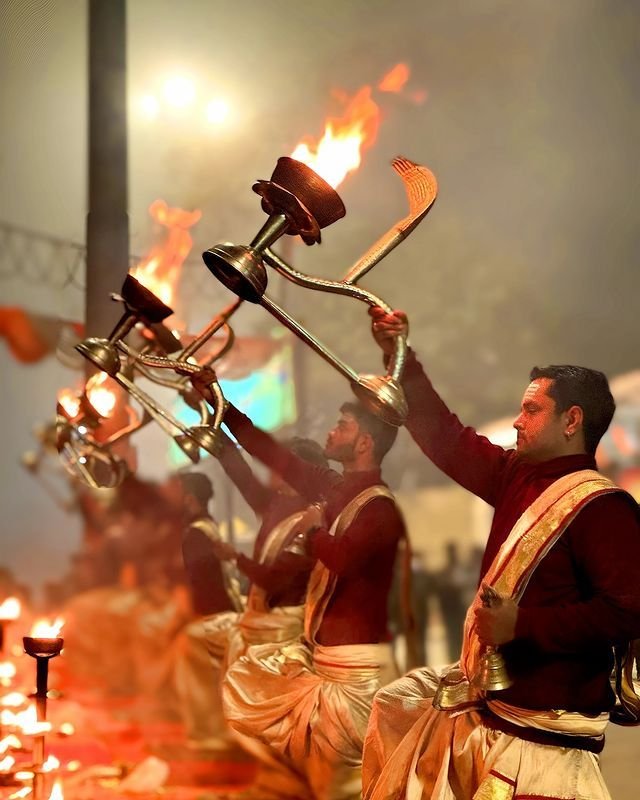
The most popular ghats in Varanasi for aarti are Dashashwamedh and Assi. Evening ceremonies feel grand and energetic. Morning aarti feels gentle and meditative.
Watching Ganga Aarti from a boat adds beauty. Lamps, chants, and reflections on water create a lasting memory.
Cremation Ghats in Varanasi – Rituals & Beliefs
The cremation ghats in Varanasi reflect deep spiritual acceptance of death. Fire is sacred in Hinduism, believed to release the soul from the body.
Families follow ancient customs with faith. The rituals feel solemn yet peaceful, guided by belief in rebirth and liberation.
Lesser Known & Peaceful Ghats in Varanasi
Many ghats near Ganges River remain quiet and less visited. These ghats offer space for meditation and reflection.
Such places reveal slower rhythms of daily life along the ghats, away from crowds and noise.
Best Time to Visit Ghats in Varanasi
Winter months offer pleasant weather. Summers feel intense but spiritually active. Monsoon adds dramatic beauty to the river.
Early mornings and evenings provide the most meaningful experiences along the ganga ghats in Varanasi.
Boat Ride Experience Along the Ghats of Varanasi
A boat ride reveals the city from water. You see temples, rituals, and life unfolding on steps.
Sunrise rides show soft colors and calm devotion. Evening rides reveal glowing lamps and chants drifting across the river.
Temples, Mosques & Heritage Near Varanasi Ghats
The ghats sit close to major religious places in Varanasi. Temples, mosques, and shrines exist side by side.
This coexistence reflects the inclusive spirit of Kashi, shaped by centuries of belief and culture.
Travel Tips for Visiting Ghats in Varanasi
Dress modestly to respect customs. Photography is allowed but avoid sensitive rituals. Silence and patience show respect.
Observing quietly allows deeper connection with the sacred ghats of Varanasi.
Where to Stay Near Ghats in Varanasi
Staying near the river allows easy access to rituals and temples. Proximity enhances spiritual experience.
Stay Near the Ghats at Shree Shivay Namastubhyam Hotel
This hotel offers peaceful comfort near major ghats. Pilgrims and tourists appreciate the calm setting.
Easy access to aarti and temples makes the stay convenient and spiritually fulfilling.
Frequently Asked Questions About Ghats in Varanasi
How many ghats are in Varanasi?
There are over eighty ghats, forming one of the longest continuous riverfronts in the world.
Which is the best ghat of Varanasi?
Dashashwamedh Ghat is most famous. Assi Ghat suits peaceful mornings. Choice depends on purpose.
Why are there 84 ghats in Varanasi?
The number symbolizes rebirth cycles and liberation in Hinduism.
Which is the scariest ghat in Varanasi?
Manikarnika Ghat feels intense due to cremation rituals. It reflects truth rather than fear.
Final Thoughts – Experiencing the Soul of Varanasi Through Its Ghats
The ghats in Varanasi reflect life, death, faith, and time flowing together. Each step holds memory and meaning.
Walking along the river reveals why these ghats remain sacred—is this an experience that stays with you long after you leave?


0 Comments